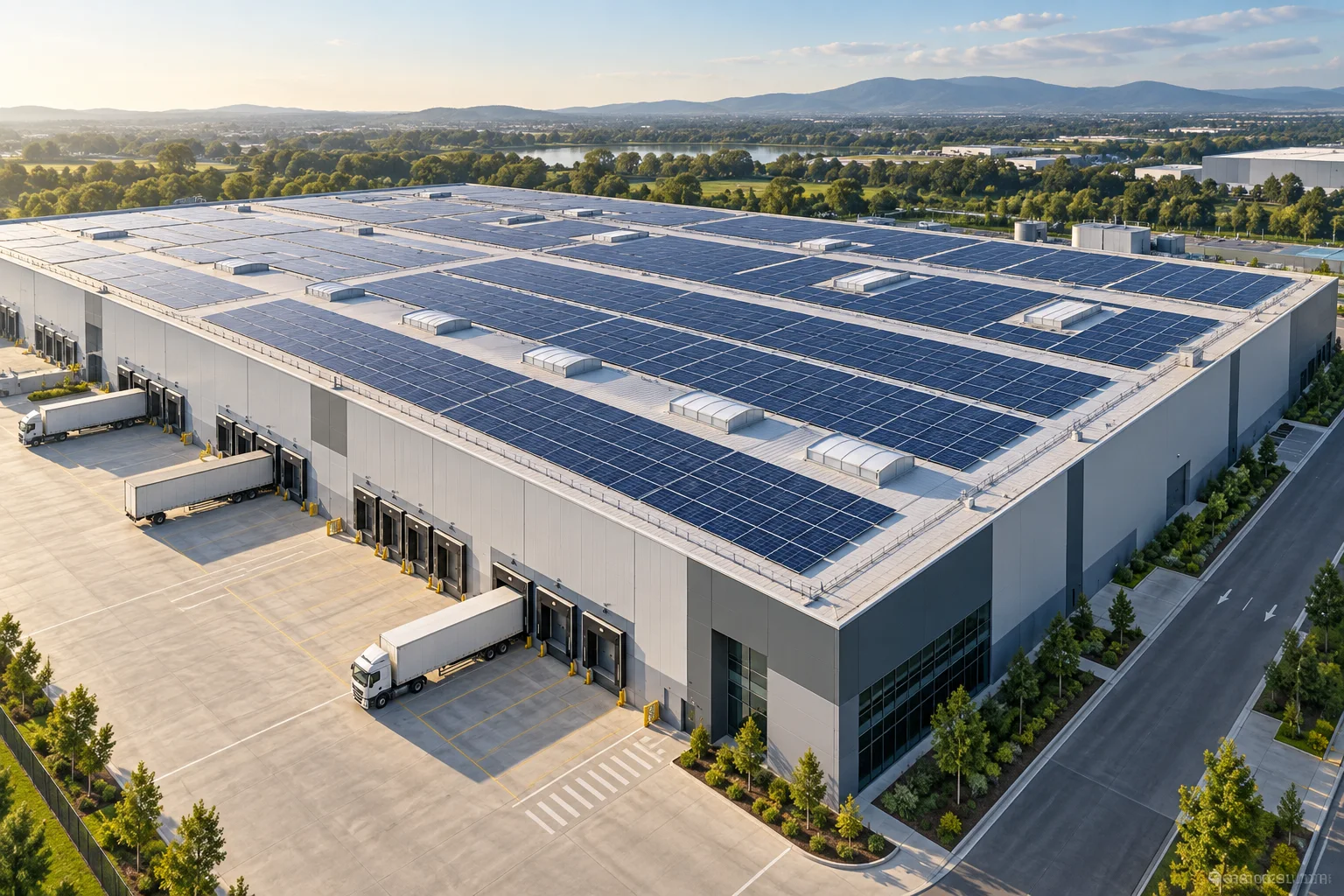
Solar PV Projects
Rooftop and ground-mounted systems planned around available area, electrical demand and grid conditions.
System scope: Modules · Mounting · Inverters · Distribution
Explore Solar PV →Powering the Future.
JY FUTURE coordinates system design, equipment procurement, construction interfaces and commissioning for renewable-energy projects shaped around real site conditions.
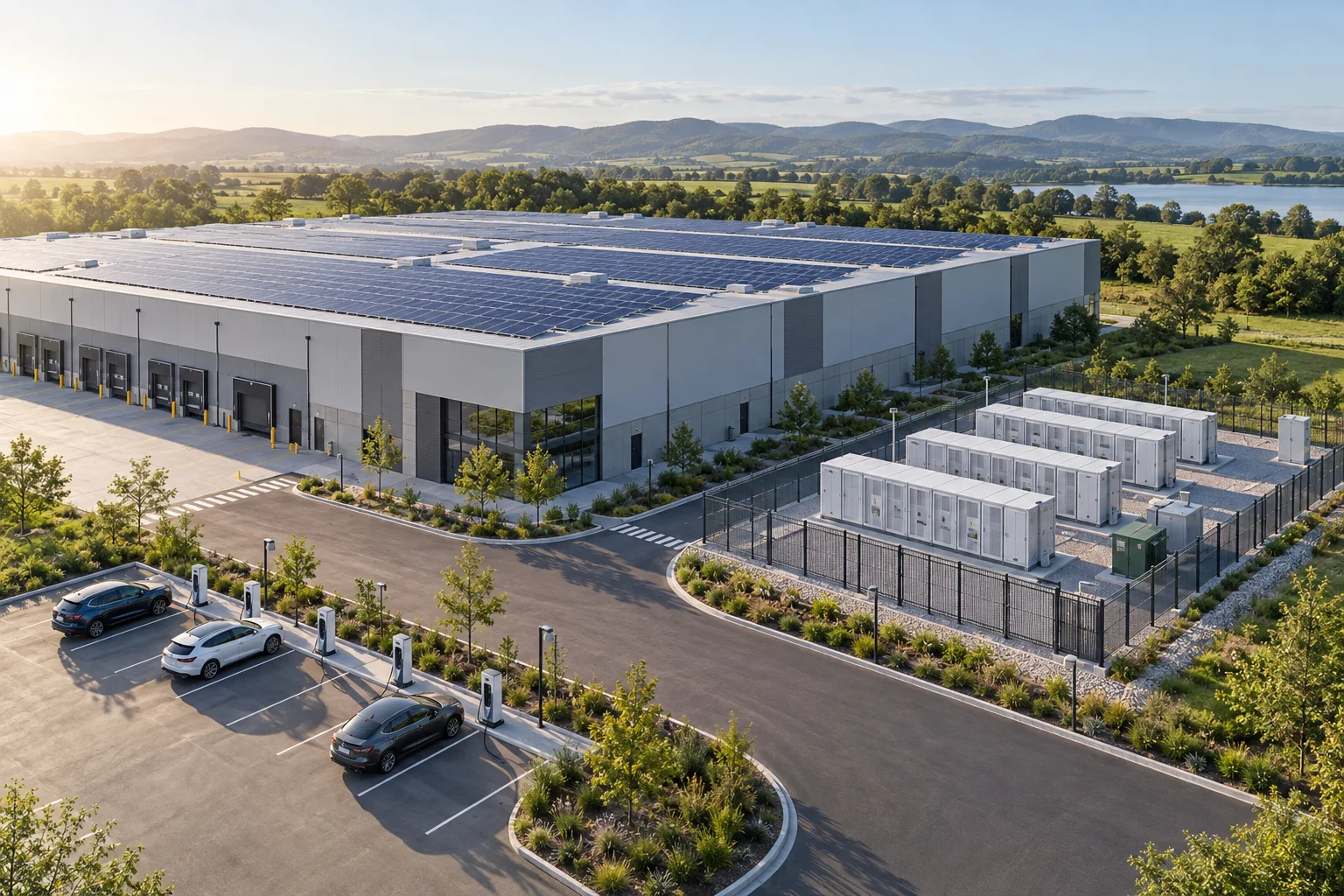
Each pathway connects the application, equipment package and delivery scope instead of treating individual products as an isolated purchase.
Rooftop and ground-mounted systems planned around available area, electrical demand and grid conditions.
System scope: Modules · Mounting · Inverters · Distribution
Explore Solar PV →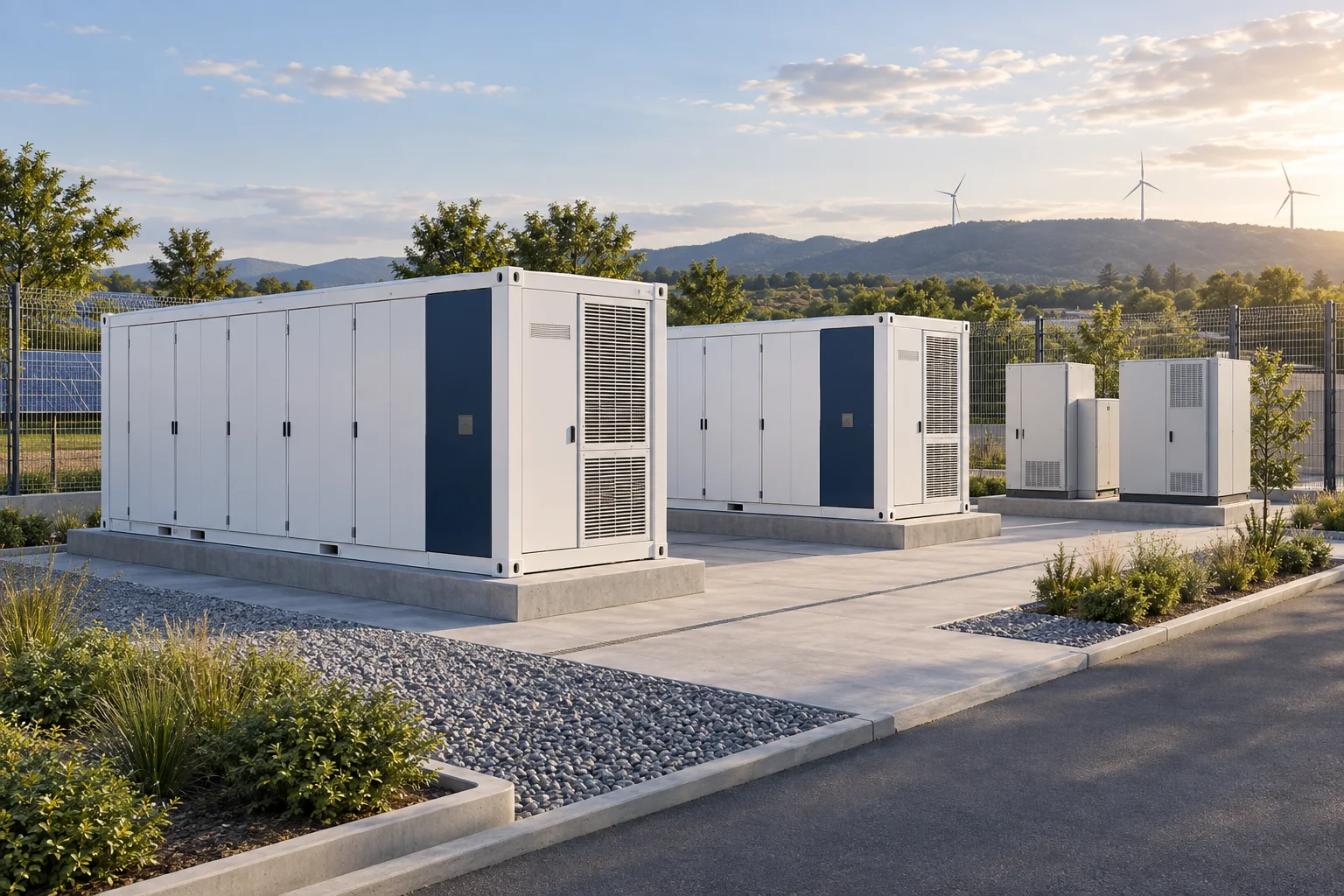
Battery systems configured for load management, renewable-energy capture and backup requirements.
System scope: Batteries · PCS · BMS / EMS · Protection
Explore Energy Storage →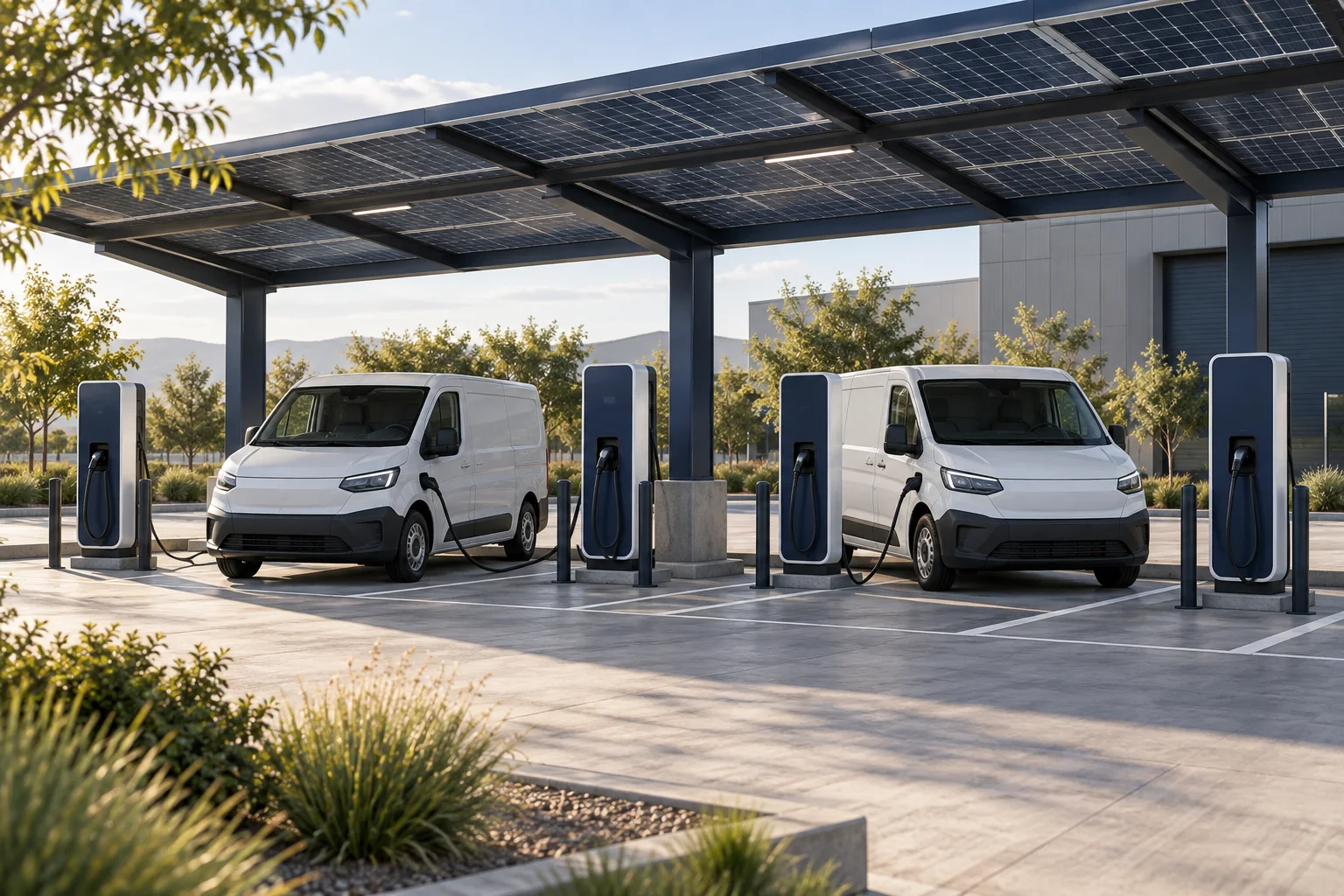
AC and DC charging for workplaces, destinations and fleets, with optional solar and storage integration.
System scope: Chargers · Distribution · Controls · Storage integration
Explore EV Charging →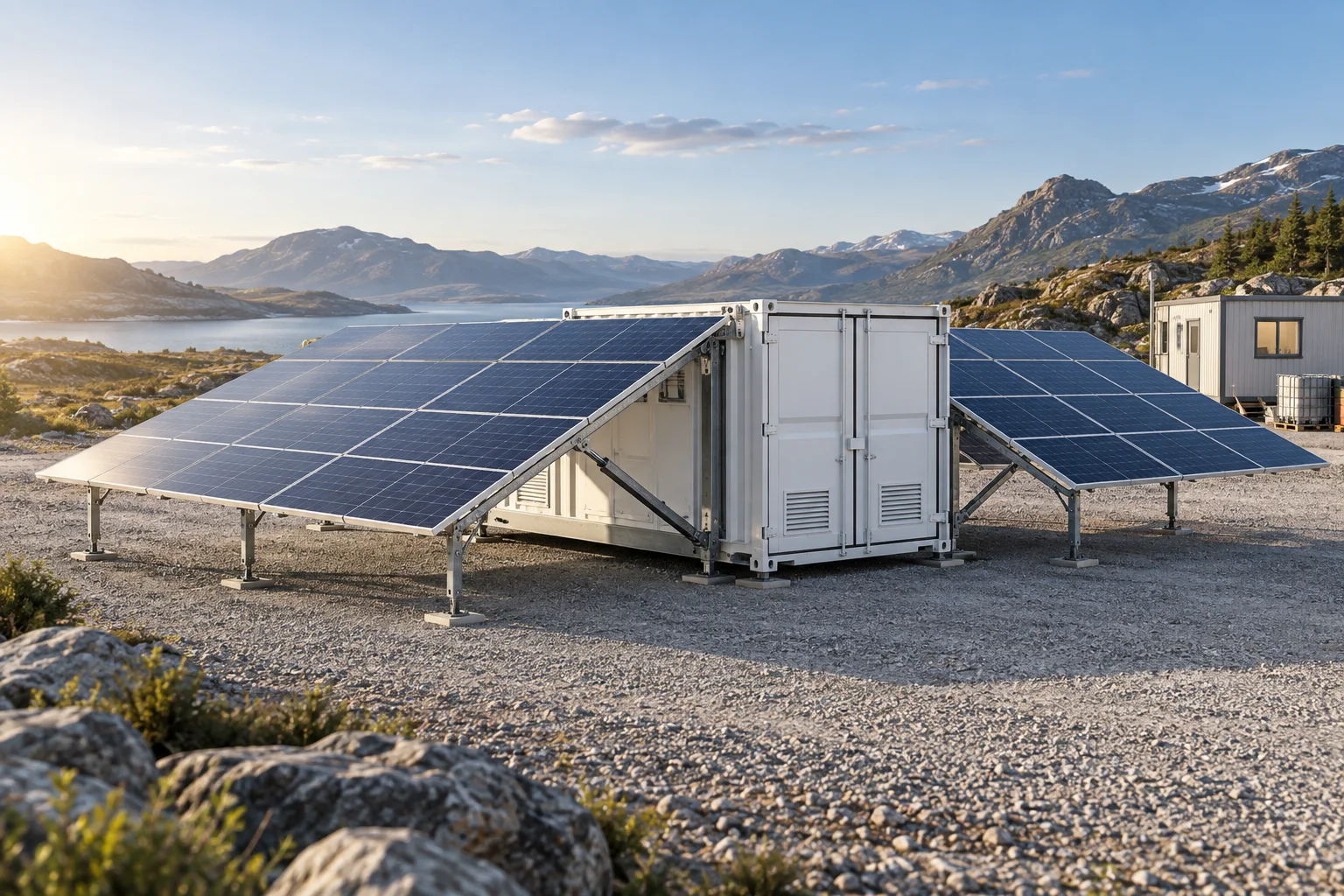
Generation and storage for remote sites, temporary operations and emergency-power applications.
System scope: Mobile solar · Portable storage · Controls · Distribution
Explore Off-Grid Power →The same equipment can lead to very different systems. Site use, operating hours and grid conditions determine the project path.
View Industries & Applications →On-site generation, load management and resilience for facilities with defined consumption patterns.
Charging infrastructure coordinated with available electrical capacity, dwell time and future expansion.
Hybrid and mobile configurations where grid access is limited, unstable or unavailable.
A useful project discussion starts with operating information—not a model number. These inputs establish the design basis.
Roof, ground or facility area, structural considerations, access and physical constraints.
Energy demand, consumption pattern, duty cycle and the hours when the system must perform.
Connection conditions, export or self-consumption goals, outage risk and resilience expectations.
The exact responsibility matrix changes by country and project. The delivery framework keeps decisions, interfaces and outputs visible.
Review the site, load, grid, climate, programme and missing information.
Match equipment families, interfaces and documentation to the agreed design.
Coordinate installation, electrical connection, local partners and system integration.
Test the installed system and organise operating information for handover.
Need the detailed responsibility framework?
Review EPC Services →Generation starts with compatible modules and conversion equipment. Specialist mobile and tracking formats can then be evaluated where the application requires them.
All Solar ProductsWhat to watch: one automated module-handling stage. It does not establish factory throughput, production capacity or model-specific performance.
Storage products span portable units, residential systems and larger commercial equipment. Selection depends on load profile, operating objective, installation environment and required interfaces.
All Storage ProductsPreview footage: a portable unit is shown with workshop tools, output connections and expansion hardware. The footage does not verify rated output, runtime, capacity, certification or current model availability.
AC equipment supports destination charging, while DC equipment serves faster charging requirements. Power availability, connector standard and site operation must be confirmed for each project.
All Charging Products
Project records, quality documentation and factory information should help buyers verify scope—not fill the page with unsupported numbers.
About JY FUTURE →The commercial and technical boundary is confirmed for each engagement.
The working scope can include system design, equipment procurement, construction coordination, commissioning and handover. The exact responsibility boundary is agreed for each project.
Yes. The technologies can be integrated when the site load, electrical capacity and operating objectives support a combined system.
Depending on location and scope, site work may involve local contractors or partners. Their responsibilities should be identified before commercial commitment.
Start with the project location, site type, available area, load or charging demand, grid conditions, backup needs and target schedule.
Share the project location, application and operating requirements. The first response can then focus on the right system boundary.